' Profesyonel ve modern hayvancılık '
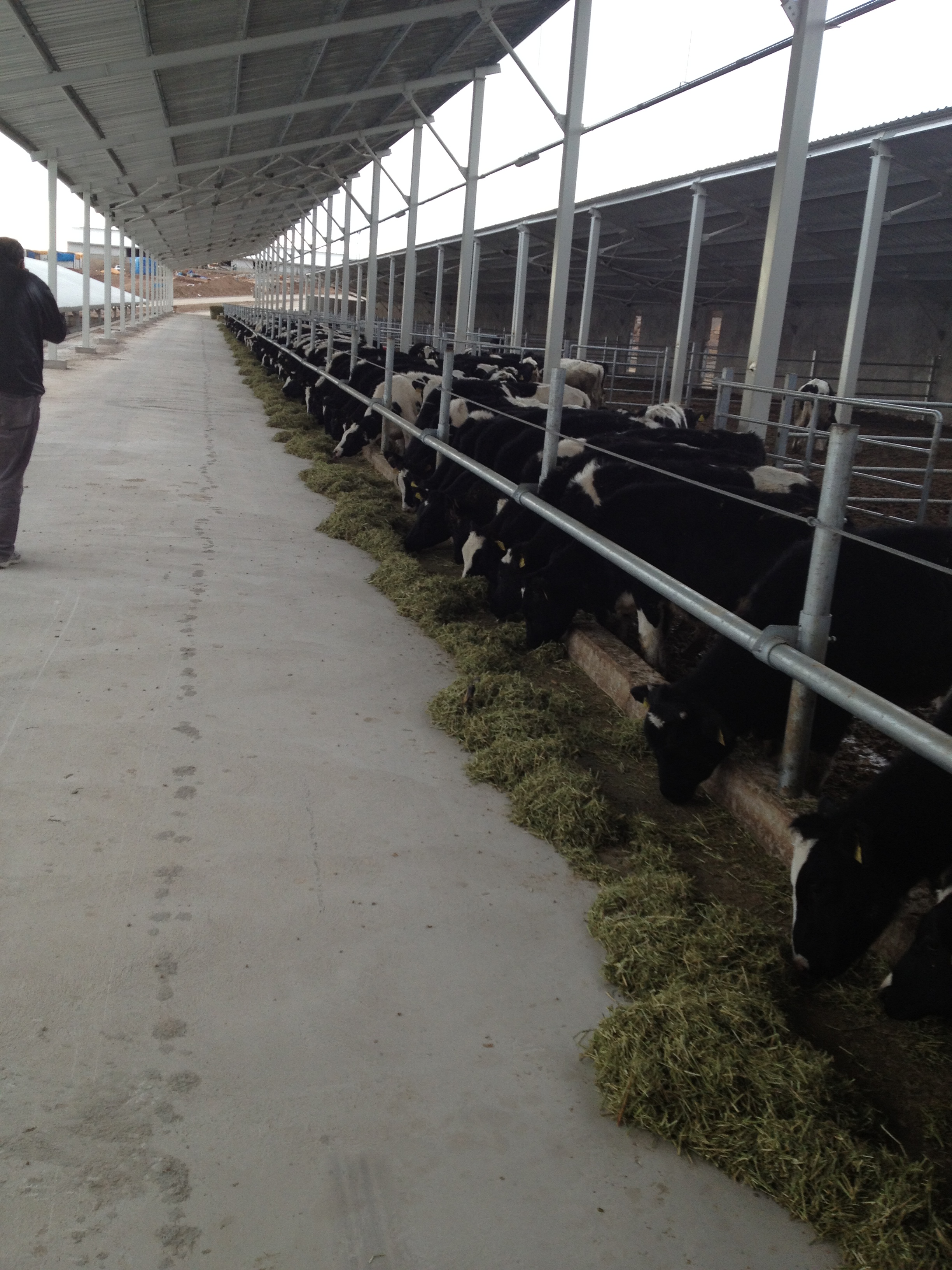
Breeding Heifer Raising Facility has been established on a 100-decare land in order to meet the need for productive and healthy culture race pregnant heifers suffered by our country for years which has been met by investors from abroad until now by paying high foreign exchange. Herd health control program is applied to all animals being raised at the Breeding Heifer Raising Facility. The animals brought to the facility are applied protective vaccines and parasitic disease fight after having been applied necessary health examinations and disease screening. The facility consists of 3 main sections.
1. Young Animal Raising Paddocks
2. Pregnant Heifer Raising Paddocks
3. Examination Station
This section consists of four interrelated units. There are vaccine ways at each of the units built with the highest standards. There are seven paddocks for 3-month calves, and 8-10 calves are sheltered together within such sections.


The heifers matured enough for copulation are kept at the heifer paddocks for which rutting follow-up is carried out. The animals showing copulation indications here are taken to the paddocks for inseminated heifers after being inseminated at the examination station. Approximately one month later, pregnancy examination is carried out for animals through ultrasonography and then the pregnant ones are taken to the pregnant heifer paddocks 1, and the ones not pregnant to the heifer paddocks for which rutting follow-up is carried out again. Approximately one month later than the first pregnancy examination, the second pregnancy examination is applied to the pregnant animals. At the end of such examination, the animals still pregnant are taken to the pregnant heifer paddocks 2, and the ones experiencing embryonic demise and removal to the heifer paddocks for which rutting follow-up is carried out again. The pregnant heifers are kept at pregnant heifer paddocks 2 until two months remain for their delivery.